Home › Masonry Restoration and Historic Preservation
Superior Masonry Cary offers historic masonry restoration services in Cary, NC for older brick and stone buildings. We use compatible materials and methods to preserve original character while addressing structural issues, water damage, and facade deterioration.
Superior Masonry Cary provides professional historic masonry restoration throughout Cary, NC, North Carolina and the surrounding area. Our licensed, insured crew delivers safe, clean, on-time work with a free estimate before anything begins. Call (919) 246-5945 or request your free quote.
Practical Masonry Restoration for Cary Homes and Buildings
Older brick and stone in Cary and the surrounding Triangle hold up well, but our climate is tough on mortar and masonry details. Superior Masonry Cary focuses on historic masonry restoration that respects the original materials while solving real structural and water issues.
In Cary we work on a wide range of properties: 1960s and 1970s brick ranch homes, 1980s subdivisions with decorative brick fronts, turn of the century farmhouses on the outskirts, and early 1900s commercial buildings that predate most of the newer development. Each type uses different brick blends, mortar hardness, and construction methods, so there is no one size fits all repair.
Our approach starts with figuring out exactly what is failing and why. We look for brick spalling from past pressure washing, mortar that is harder than the original brick, settlement cracks from red clay soil movement, and water intrusion from poorly flashed roofs and windows. Historic masonry restoration only works long term if those root causes are addressed instead of just filling cracks.
Superior Masonry Cary does not treat older masonry like new construction. On historic and mid century structures we match mortar strength, color, and joint profiles to the existing wall. That prevents new work from stressing or visually standing out from the older brick. The goal is to extend the life of the original materials, not replace them with something that looks obviously new.
Our Historic Masonry Restoration Process in Detail
When you call Superior Masonry Cary about a historic masonry issue, we start with a site visit and a detailed visual inspection. We document cracks, failed joints, staining patterns, prior repairs, and any bulging or out of plumb sections. In some cases we remove a small amount of mortar from a discreet area so we can test hardness and see the original color that is not sun faded.
The next step is sample matching. For a repointing or partial rebuild we prepare small test panels with different sand blends, pigments, and mortar strengths until we are confident the new joints will blend with the historic work once they cure. In Cary this often means matching older regional brick with high iron content that fires to a deep red or orange, along with softer mortar than what is used today.
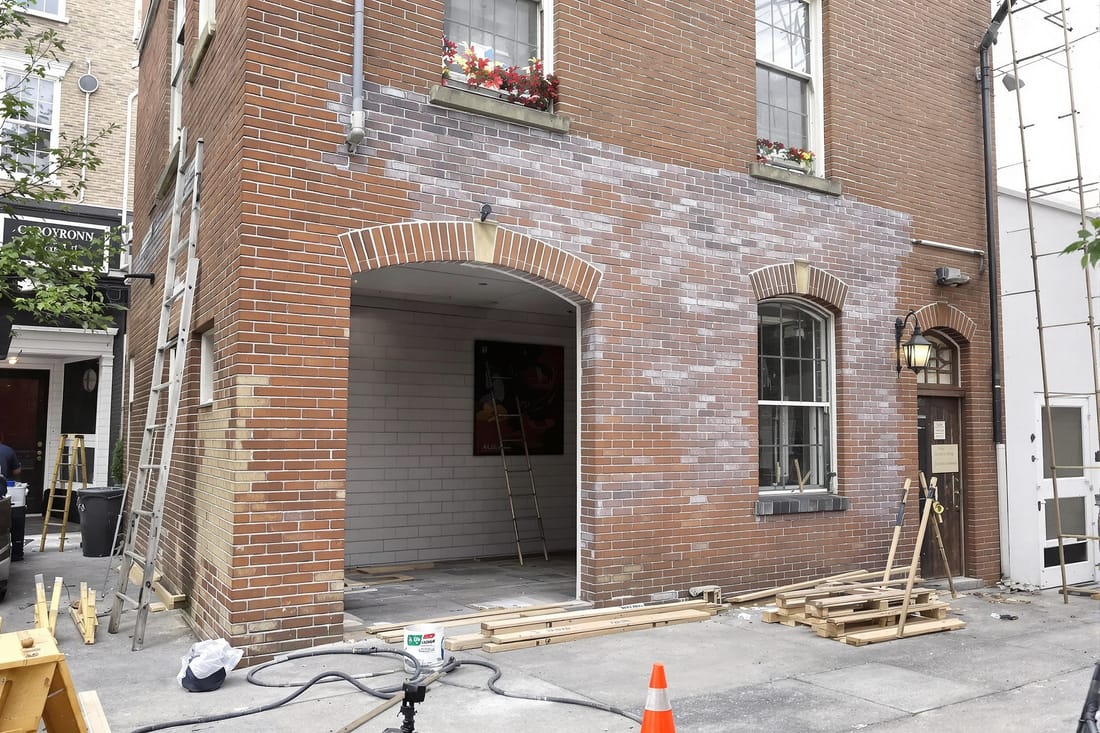
During the actual work we carefully rake out deteriorated joints by hand instead of using aggressive grinders whenever possible. This protects brick edges and keeps joint depths consistent. Loose or delaminated bricks are removed and cleaned, then reset in fresh mortar. If a unit is too damaged to reuse, we source salvaged or closely matching modern brick by size and color.
On structural or load bearing masonry we may add discreet reinforcement, such as stainless steel helical ties or concealed anchors. These are installed from mortar joints or interior surfaces so the exterior face of the wall retains its original appearance. Throughout the project we keep a clean site, protect landscaping, and coordinate with any other trades on the property so schedule conflicts are minimized.
Common Local Problems We Fix and How We Handle Them
Cary and Wake County have specific conditions that affect historic masonry. Heavy summer storms, wide temperature swings, and clay soil movement create predictable patterns of wear that Superior Masonry Cary sees over and over.
One common issue is step cracking at corners and around window or door openings. This usually comes from minor foundation settlement and thermal movement. Our solution is not simply to caulk the crack. We assess whether the foundation needs stabilization from another contractor, then cut out and repoint affected joints with flexible enough mortar so the wall can move slightly without reopening the crack.
Another local problem is brick spalling and face loss from past use of high pressure washers or harsh sealers. In these cases we remove loose material, selectively replace damaged bricks, and use gentle cleaning methods to remove failing coatings. If a breathable water repellent is appropriate, we choose one that allows moisture to escape rather than trapping it in the wall.
For older chimneys on 1950s to 1980s homes, we frequently see eroded crowns, open mortar joints, and water damage in the attic framing. Our historic masonry restoration approach is to rebuild the crown with proper slope and overhang, repoint all deteriorated joints, repair or replace flue liners if needed, and install correct flashing at the roofline. This combination prevents repeat damage instead of just treating symptoms.
In early 1900s brick storefronts and small commercial buildings, bowing walls and loose parapets are a serious safety concern. We stabilize these areas with a combination of selective dismantling and rebuilding, discreet reinforcement, and careful repointing, all while keeping the original facade details intact so the building still fits its historic streetscape.
Materials, Methods, and Design Choices for Authentic Results
Historic masonry restoration only works as intended when the materials and techniques are compatible with the original construction. Superior Masonry Cary uses different approaches for lime based mortars, early Portland cement mixes, and modern mortars, based on what was originally used.
In many pre World War II structures, lime rich mortars were used. These are softer and more flexible than modern cement heavy mixes. When repointing these walls, we often use a custom lime mortar or a blend with low Portland content. This keeps the mortar slightly weaker than the brick, which is exactly what you want. The joints take the stress, not the masonry units.
Joint style and finish are also critical to a believable restoration. We pay attention to whether the existing work uses a flush joint, slightly recessed, weathered, or a struck and tooled profile. The wrong joint profile can make new work stand out even if the color match is good. Before starting a full area, we complete a small sample that you can review in place.
Color and texture matching is not just about adding pigment to mortar. We select sand with the right grain size and color to match the existing joints. Often in Cary we see tan or buff sand in older work, which gives the mortar a warmer tone. Using bright white sand with gray cement would not look right against those bricks.
Where entire sections must be rebuilt, such as a failing brick arch or collapsed planter, we replicate the original bond pattern and size relationships. For example, recreating a historic soldier course above windows or a Flemish bond on a facade. This level of detail is what separates basic repair from true historic preservation.
What Drives Cost and Timeline for Historic Masonry Projects
Historic masonry restoration is more labor intensive than standard brick repair, and understanding the cost drivers helps you plan. Superior Masonry Cary explains these factors up front so you can make informed decisions about scope and priorities.
The single biggest factor is access. Work that requires full scaffolding, lift equipment, or coordination with roofing contractors costs more than ground level repointing. Chimneys, parapets, and multi story facades demand extra setup and safety precautions, which affects both cost and time.
The next factor is how much hand work is needed. Careful mortar removal with hand tools, complex brick replacement in decorative bands, and detailed joint finishing all add labor hours. We do not cut corners on this step, because over cutting or using aggressive grinding can permanently damage historic brick faces.
Material testing and sample matching also add time at the beginning of the project. This phase is essential if you want the final result to blend properly, especially on street visible facades. Trying to rush through this stage usually leads to mismatched joints that are impossible to hide later.
Unexpected conditions can arise once work begins, such as hidden voids, rusted embedded steel, or more extensive water damage than was visible from the surface. We handle this by stopping, documenting what we found, and presenting options with pricing before proceeding. This way you stay in control of the budget and the level of restoration.
For planning purposes, small residential repointing projects may take a few days, while full facade restorations or multiple elevation chimney projects can take several weeks. Weather is also a factor, since mortar should not be applied in extreme heat without protection or in freezing conditions.
What Cary Property Owners Should Check Before Hiring
Before you hire anyone for historic masonry restoration in Cary, it is worth doing a quick checklist. Superior Masonry Cary encourages you to ask detailed questions, because the right contractor will welcome them.
First, confirm that the contractor has specific experience with older brick and stone, not just new construction. Ask for local examples of repointing or facade repair on homes or small commercial buildings similar in age to yours. If possible, drive by and look at the work. New joints should blend in seamlessly and not appear overly wide, smeared, or unnaturally bright.
Second, ask how they determine mortar composition and color. If the answer is simply that they “use a standard mix,” that is a warning sign. A careful contractor will talk about matching hardness, using sample panels, and adjusting sand and pigment to match your existing walls.
Third, discuss cleaning methods. Historic masonry should not be blasted with high pressure water or sand. Gentle water, low pressure washing, and appropriate chemical cleaners tested on small areas are safer options. If the contractor cannot explain their cleaning approach in detail, keep looking.
Finally, make sure you receive a written scope that clearly states where work will be done, what method will be used, and how unforeseen conditions will be handled. You want to know whether the agreement includes brick replacement, repointing only, structural reinforcement if needed, and any water management improvements like flashing or crown rebuilds.
Superior Masonry Cary is available to walk you through these points on site. Our focus is preserving the character and integrity of your masonry while solving the practical issues that affect safety, energy performance, and long term durability in our local climate.